
Organic grape production provides a fairly predictable economic return in irrigated parts of the arid West. In the East, organic grape production is complicated by a climate that fosters insect and disease problems. Production is compounded by consumer preferences for grape cultivars (both dessert and wine grapes) that are difficult to grow in the East.… Continue reading Grapes: Organic Production
Type: Manuals/Guides
Soils and Sites for Organic Orchards and Vineyards

The perennial nature of fruiting trees, bushes, and vines allows for a more permanent, sustainable agriculture based on healthy soil. This publication discusses site selection and soil preparation for fruit plantings. It also describes cover crop and mulching options for orchards and vineyard floors. The publication discusses fertilization and the role of mycorrhizae in maintaining… Continue reading Soils and Sites for Organic Orchards and Vineyards
Tree Fruits: Organic Production Overview

This guide is an overview of issues relevant to commercial organic production of temperate-zone fruiting trees and bushes and, to a lesser extent, tree nuts. It includes discussions of marketing and economics, orchard design, and cultural considerations, including crop varieties, site selection, site preparation, soil fertility, weed control, and pest management (insects, diseases, and vertebrates).… Continue reading Tree Fruits: Organic Production Overview
Organic Pulses Production, Economics, and Marketing
Pulses are leguminous crops that are harvested solely for dry seed. Dried beans, lentils, chickpeas (garbanzo beans), and other dry peas are the most known and consumed types of pulses. This publication covers organic pulse production, economics, and marketing. Organic pulse production differs from non-organic production in important ways, and organic pulses in general are… Continue reading Organic Pulses Production, Economics, and Marketing
Disease and Insect Management in Organic Small Grains
This publication introduces the multifaceted comprehensive strategy of weed management used for organic small grain production, combining techniques including crop rotation, sanitation, cultural practices, variety and seed selection and planting, cover crops, tillage, use of organic herbicides, and others.
Nutrient Management in Organic Small Grains
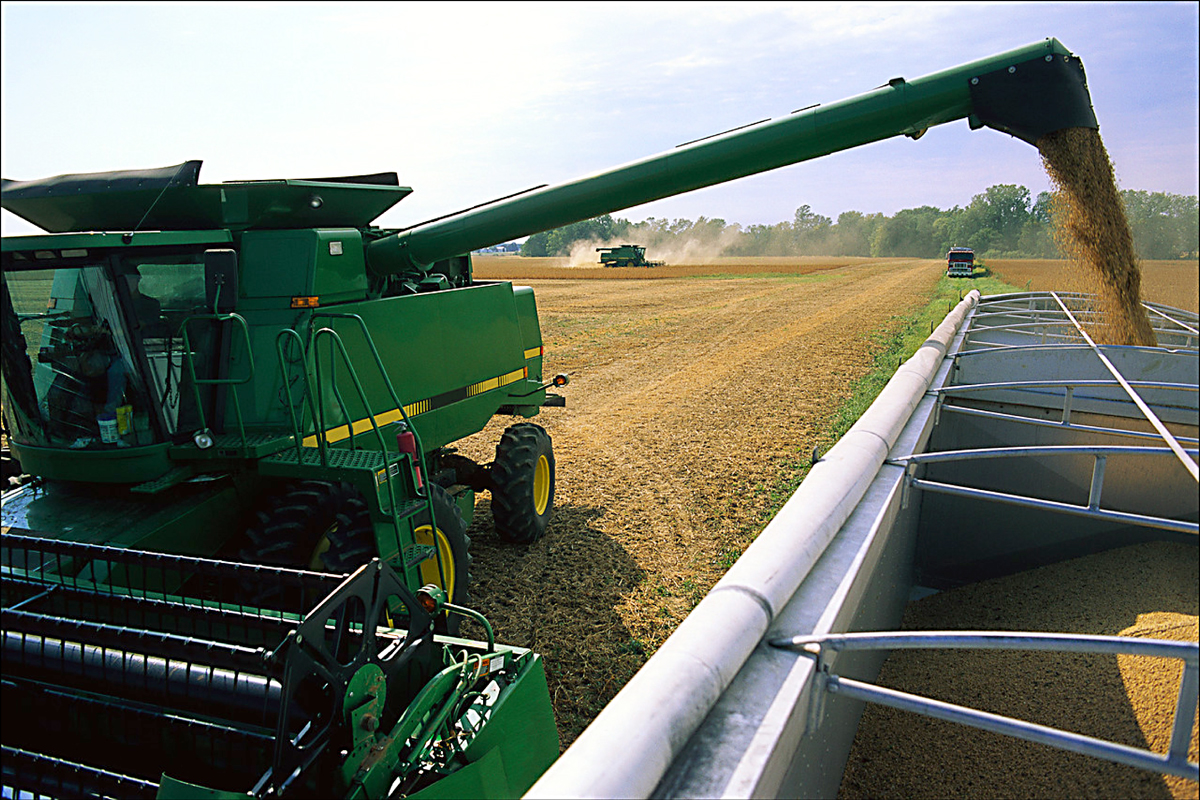
This publication provides information on sources of fertility for organic small grains that are acceptable according to the USDA National Organic Program standards.
Organic Small Grain Production Overview
This publication gives a general overview of organic small grain production. It includes basic production principles, tips on transitioning to organic, ideas for rotation design, and examples of rotations from various parts of the United States.
Weed Management in Organic Small Grains
This publication introduces the multifaceted comprehensive strategy of weed management used for organic small grain production, combining techniques including crop rotation, sanitation, cultural practices, variety and seed selection and planting, cover crops, tillage, use of organic herbicides, and others.
Reducing Tillage Intensity in Organic Production Systems
This publication explores the different approaches to tillage intensity in organic crop production systems. It reviews a number of alternatives and provides a summary of recent research and future research needs.
Organic Tomato Production
This publication addresses practical questions on organic tomato production. It focuses on the specific production challenges, including site selection (soil and climate), variety selection, sources of organic seeds and organic annual transplants, organic grafting, planting and training/staking arrangements, soil fertility and fertilization, crop rotation, and pest (insect, disease, and weed) management. Harvest and yield/productivity are… Continue reading Organic Tomato Production